Showing posts with label promenade. Show all posts

Thursday, May 23, 2013

Let's Promenade Part Two of Three

by Sew Betty and Dot

Are you ready to dance the night away? Let’s go!

Part One of the “Let’s Promenade” ended with the 1940s, when proms began to be more elaborate and more of a “dress-up” affair than they had in previous decades. In the 1950s, the prom developed into the event with which most of us are familiar (whether we went to the dance or have watched any number of movies—think about Grease).  

The postwar economy in America was booming, and with it the concept of “the teenager” became more prevalent. Teens now had more leisure time, and this stage in life was considered unique: no longer a child, not yet an adult. “Teen” magazines proliferated (Seventeen began publishing in 1944, and 16 Magazine in 1958—it was the perfect place to get all the news about the cutest singers and actors, and it spawned a host of similar publications.) And the prom came to take on a new importance as a not-to-be-missed teenage milestone.

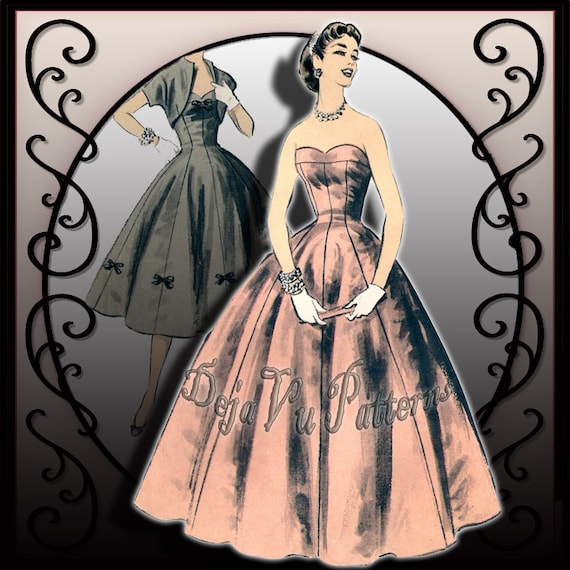
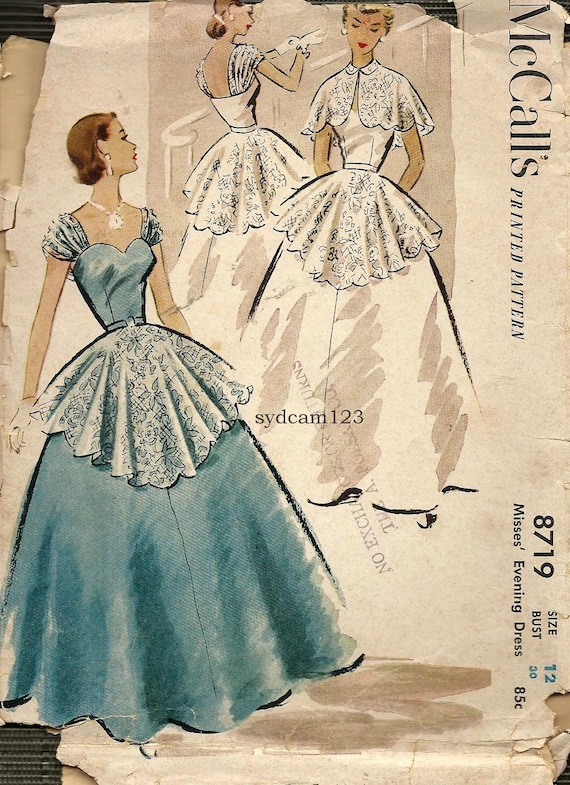
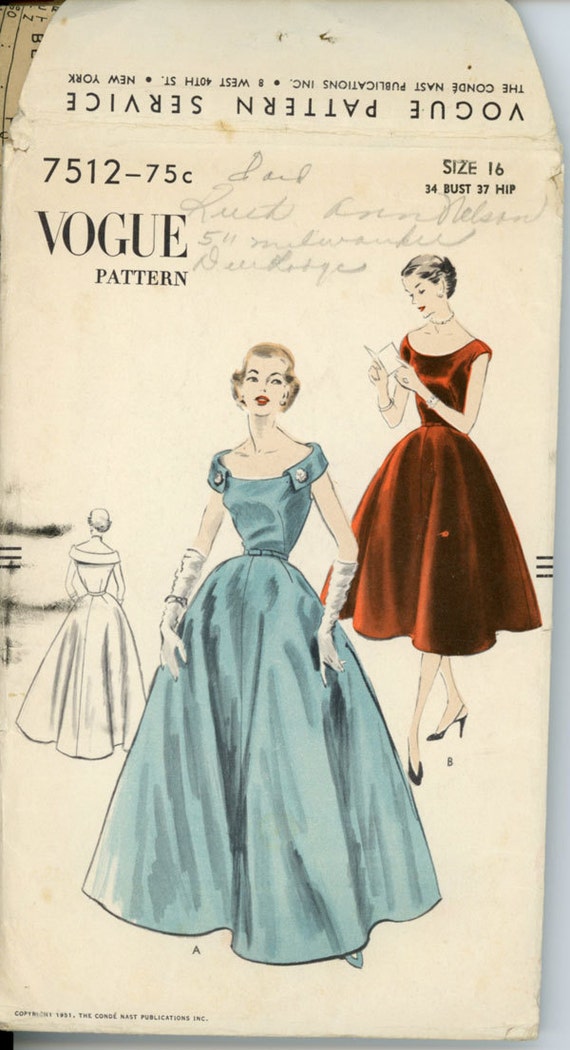
While many proms were still held in crepe-paper decorated school gymnasiums, they also began to be held in hotels and country clubs. Boys often wore white dinner jackets and black bow ties. And the girls? Tulle, tulle, and more tulle! Dresses were often strapless, sometimes floor length but frequently princess length and quite often had very full skirts (but not always!). 
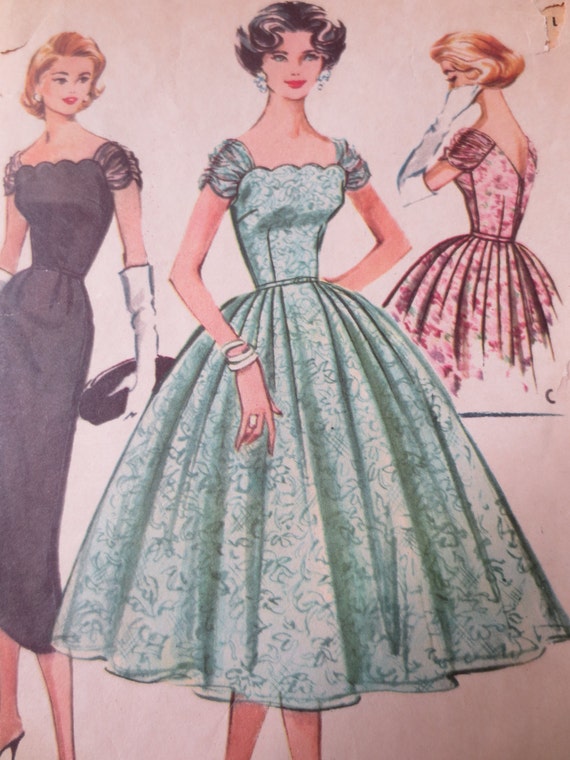
Vintage McCall's 4357 Sewing Pattern, 1950s Dress Pattern, Formal Dress Pattern, Bust 36 Inches, 1950s Prom Dress, Evening Dress
McCall’s 4357: SewBettyAndDot
Advance 7704 Vintage 1950s Evening Gown and Day Dress Sewing Pattern Sz 13
Advance 7704 DejaVu Patterns
Vintage 1951 Wedding or Evening Gown Lace Shoulders Peplum and Cape McCalls 8719 Bust 30
McCall’s 8719: sydcam123
1950s Formal Evening Dress Pattern Vogue 7512 Bust 34 Womens Vintage Sewing Pattern Sleeveless with Standaway Collar
Vogue 7512

Wraps (again, often made of tulle) and gloves completed the look (topped by a corsage, of course).
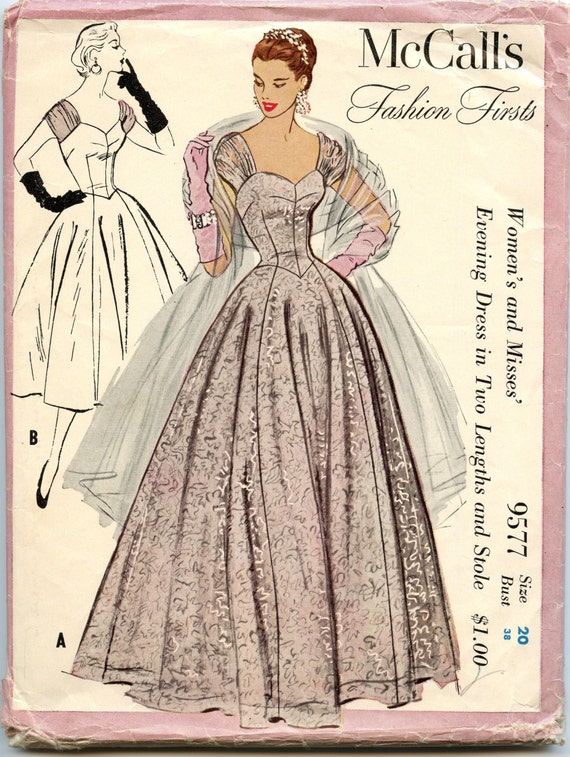
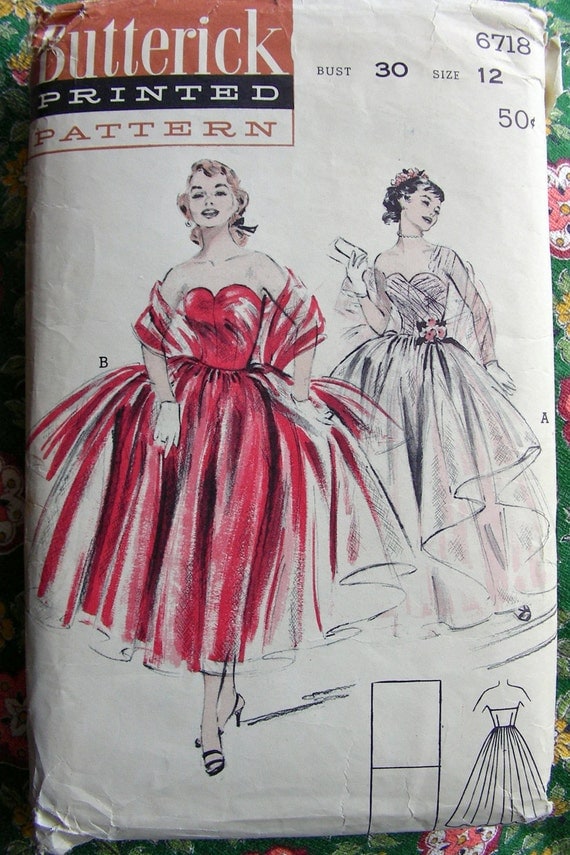
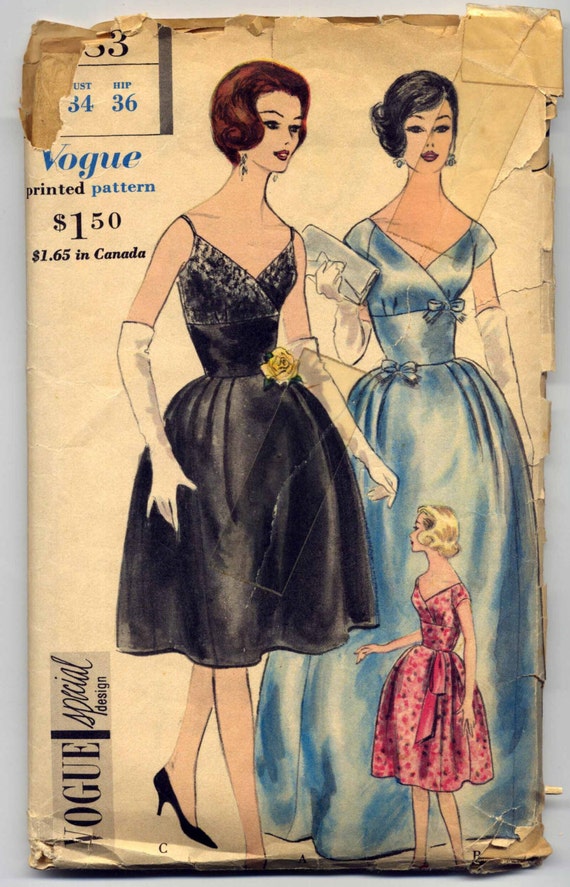
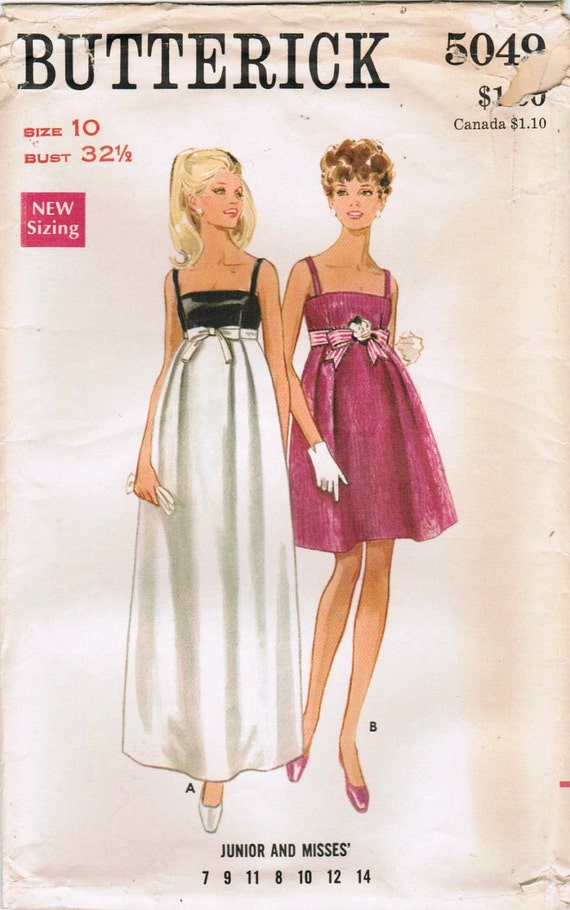
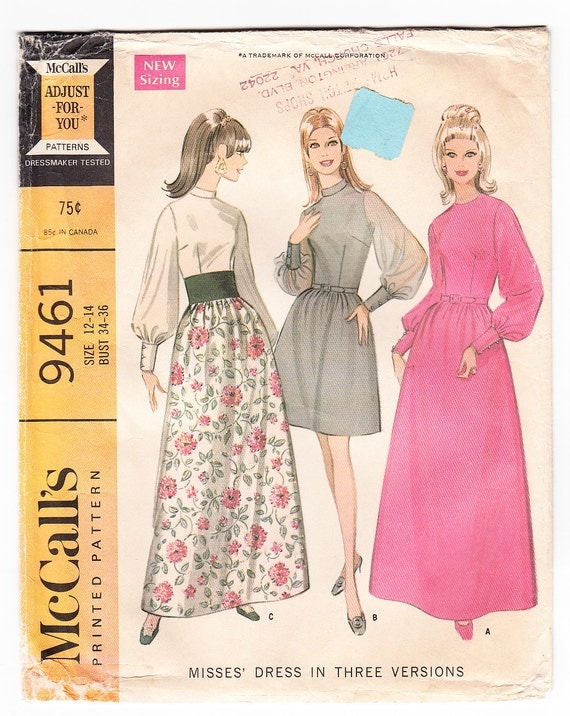
In the early 1960s, styles of the fifties carried over—although the hair got a LOT higher!--but Jacquelyn Kennedy’s elegant style had a huge influence on fashion as the decade progressed. Empire-waist dresses with long straight(er) skirts came into vogue. 
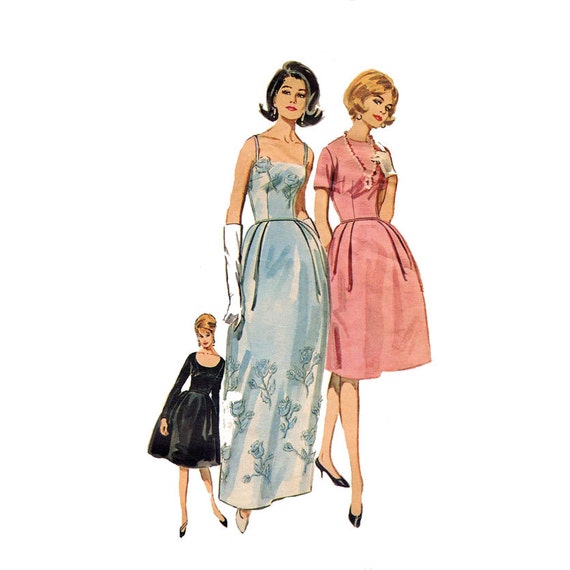
As the decade progressed, just as cultural mores began to relax, the range of styles available to girls seeking to look their best on that special night grew wider. Hair done up in beehives, bubbles, and flips; dresses with sheer sleeves, metallic fabrics (so itchy!), baby doll dresses—but tulle was still a popular choice for prom. 
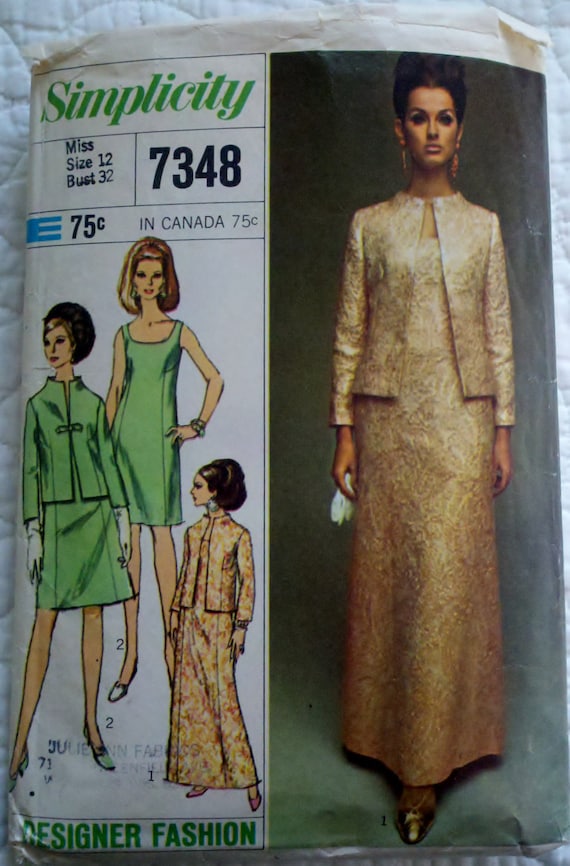

Simplicity 5679 Womens Evening Dress 1960s Pattern
Simplicity 5679: Denisecraft
Next week we'll see what changes the 1970s to Prom.

Friday, April 5, 2013

Let's Promenade: A Brief Look at Prom Part 1

Let’s Promenade: A Brief Look at Prom and Prom Fashions in the United States (Part 1)

By Sherri from Sew Betty and Dot

As springtime blooms and buds turn into blossoms, so too do high schoolers’ thoughts turn to that age-old tradition: Prom (note that, strictly speaking, it’s “Prom,” not “the Prom.”). It’s time for girls to start shopping—or hopefully, SEWING—a beautiful and elaborate formal dress (so many gorgeous patterns from which to choose). 

But is a formal dance with tuxedo-clad boys and princess-gowned girls really a time-honored tradition here in the U.S.? How far back does the modern notion of Prom go? 
It is believed that the modern notion of a formal dance for unmarried young people has its roots in the debutante ball (from the French débutante, "female beginner"). In Great Britain, the presentation of débutantes to the King and Queen marked the start of the British social season of balls, tea parties, polo matches, and theatrical outings. Of course, all of these social gatherings had the added “bonus” of allowing the free—but  chaperoned—mixing of young men and women, with an eye towards suitable marriage prospects. Young women usually wore a white, ivory, or pink evening dress, usually with a train draped over the arm. Similar “coming-out” activities were adopted in the U.S. in the late 19th and early 20th centuries (in the South, cotillions served a similar function). The word “promenade” is tied to these social events: the young ladies and their escorts formally entered the room in a promenade.
Debutante summer evening gown by Jenny
Source: Courtesy Library of Congress Prints and Photographs Division, George Grantham Bain Collection

But debutante balls and cotillions were for wealthier young adults, not middle-class teenagers (the notion of which as a specific, definable group did not really take hold until the 1940s; until then, children were considered to be simply mini adults). The first proms were likely held at universities and were far more low-key occasions, and the first high school proms were as well—until the 1930s, a prom was more of a tea dance where the dress code was “Sunday best.”

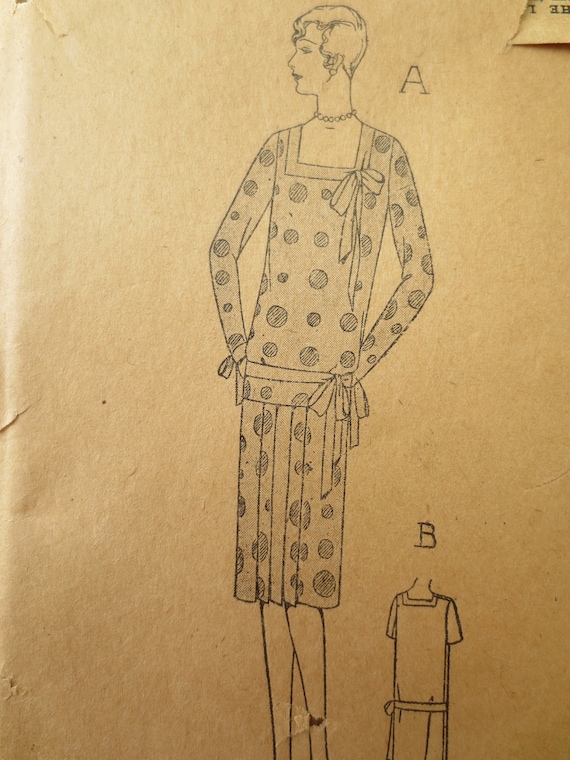
Butterick 3918, 1920s era day dress
Vintage Sewing Pattern, Ladies Home Journal 5157, 1920s Dress Pattern, Flapper Dress, Bust 32 Inches
Ladies Home Journal 5157, 1920s dress pattern

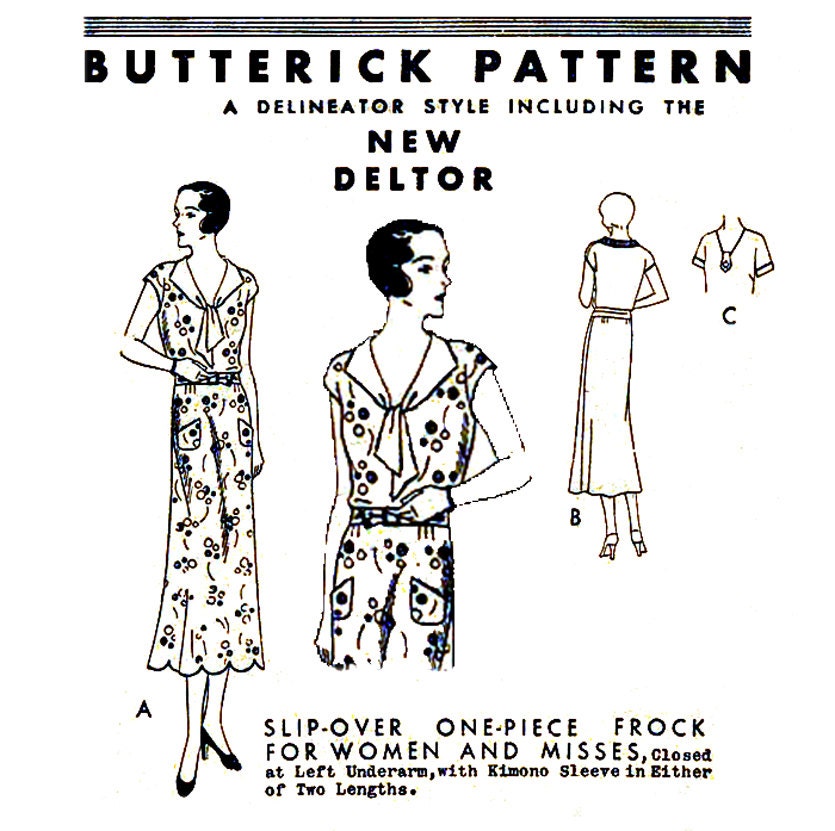
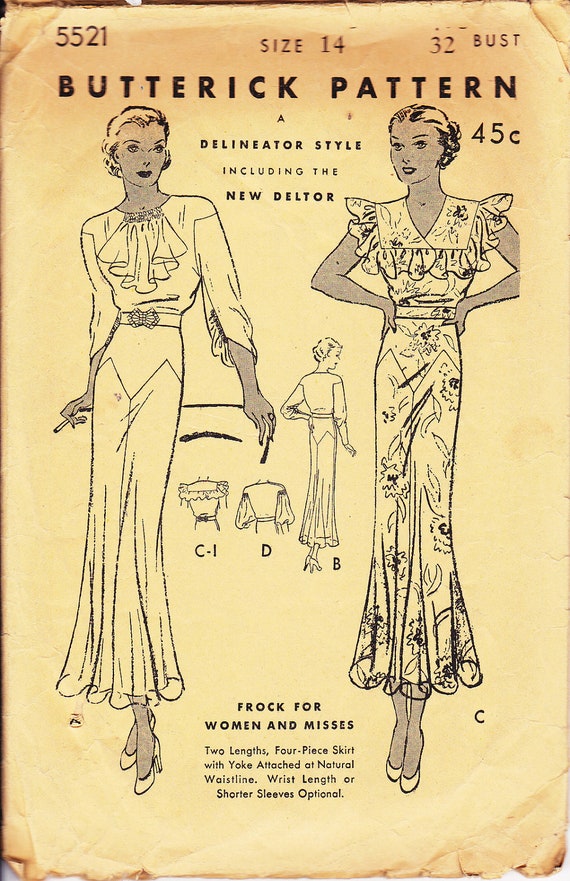
Amazing 1930s dress sewing pattern beautiful sleeves and jabot Butterick 5521 Size 14
Butterick 5521, elegant 1930s frock

 Proms seem to first be mentioned in high school yearbooks in the 1930s, and by the late 1930s and 1940s they had evolved into a more formal occasion, an evening event where dancing was often preceded by a banquet. While the dress code was more formal than Sunday go-to-meeting clothes—floor length dresses were the norm—young teen-age girls would not have worn the slinky and glamorous gowns we often associate with that era (as seen on Hollywood starlets). And their escorts were never in tuxedos; they wore suits and ties.

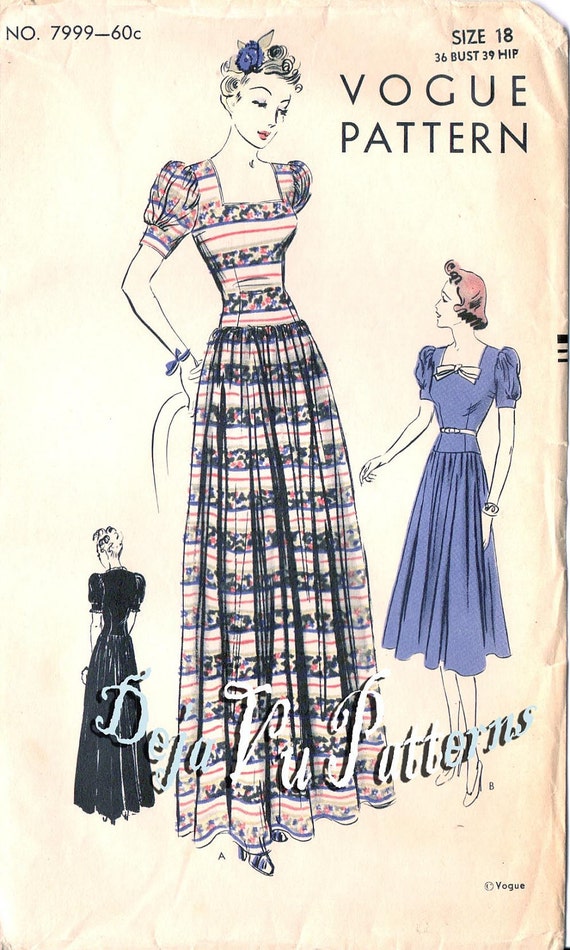
Vogue 7999 Vintage 1930s Dropped Waist Dress Sewing Pattern
Vogue 7999, 1930s long or short dress
1940s Prom Dress, Evening Gown, Ball Gown, Vintage Sewing Pattern, Simplicity 3040 bust 29" Uncut
Simplicity 3040, A pretty 1940s dress that might have graced the dance floor
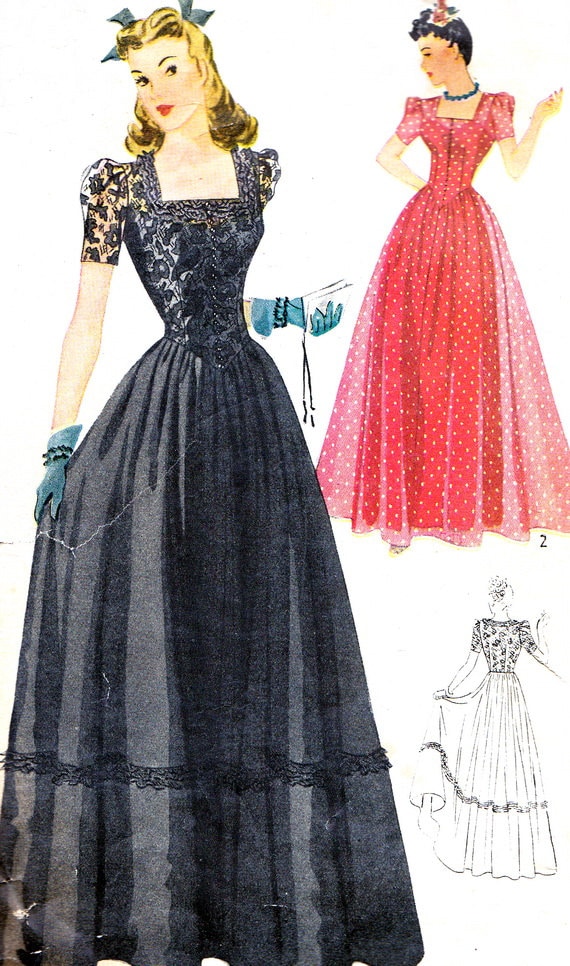
1940s Evening Dress Pattern Simplicity 4065 Full Skirt Evening Gown Square Neck Shaped Waistband Vintage Sewing Pattern Bust 30
Simplicity 4065, sweetly elegant dress for a prom, perhaps

As the U.S. entered World War II, it’s easy to imagine that a senior class dance might be especially poignant as a portion of the young men on the dance floor would have joined the armed forces or been drafted. 

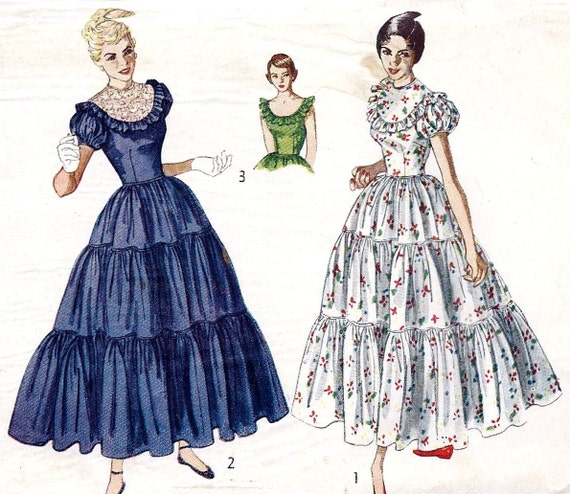
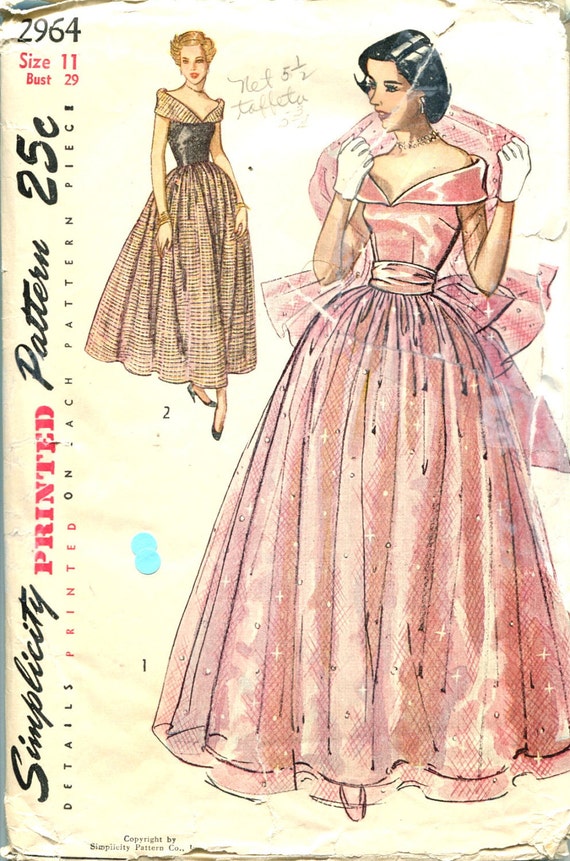
1940s Evening Dress Pattern Simplicity 2964 Junior Wedding Bridal Full Skirt Formal Gown Bust 29 Womens Vintage Sewing Pattern
Simplicity 2964, a formal dress from 1949 that looks toward the prom fashions of the 1950s
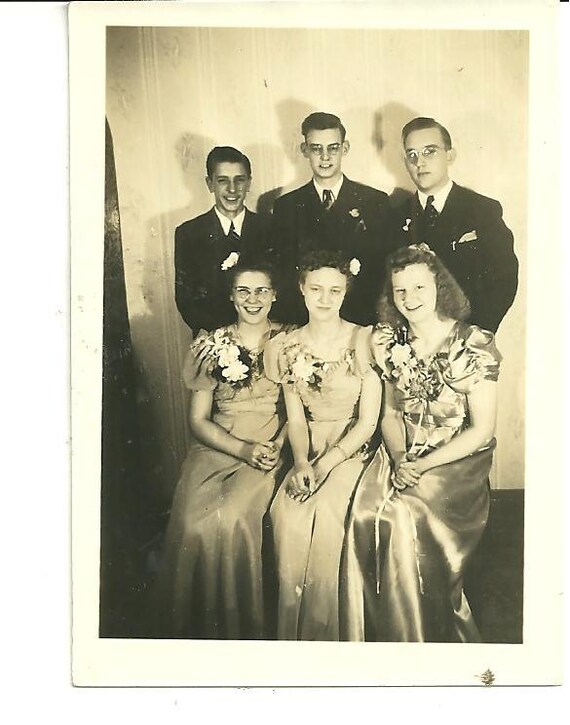
Prom Time 1940 Photography, Collectible, Snapshot Picture, Black and White Photo Lets Dance
Snapshot of a group of teenagers ca. 1940s in their prom finery

Finally, a charming vintage instructional film from the 1940s about proper prom etiquette. Watch as poor Frank tries to figure out how to 
behave. 


In Part 2, we’ll take a look at how prom dresses changed in the second half of the twentieth century. 
Prom history and information from Wikipedia